
Building a Revenue Engine: Why Sales Systems Outperform Sales Hires
The Power of a Revenue Engine
In the fast-paced world of business, companies often find themselves at a crossroads when deciding between hiring additional salespeople and investing in a robust sales system. While adding personnel might seem like the simplest solution, building a revenue engine through a comprehensive sales system can significantly outperform individual hires.
A revenue engine is more than just a sales process; it's a fine-tuned machine that integrates technology, strategy, and data to drive consistent growth. This approach allows businesses to scale efficiently and adapt to market changes with agility.

The Limitations of Relying Solely on Sales Hires
Hiring experienced sales professionals is undoubtedly valuable, but it often comes with limitations. For one, the cost of hiring and training new sales staff can be substantial. Moreover, the performance of a sales team is heavily dependent on the skills and motivation of individual members, which can fluctuate over time.
Another challenge is the scalability of a sales team. As your business grows, simply adding more salespeople may not be sustainable. You might find that the return on investment diminishes as management complexity and operational costs increase.
Components of an Effective Sales System
An effective sales system integrates various components to create a seamless process. This includes:
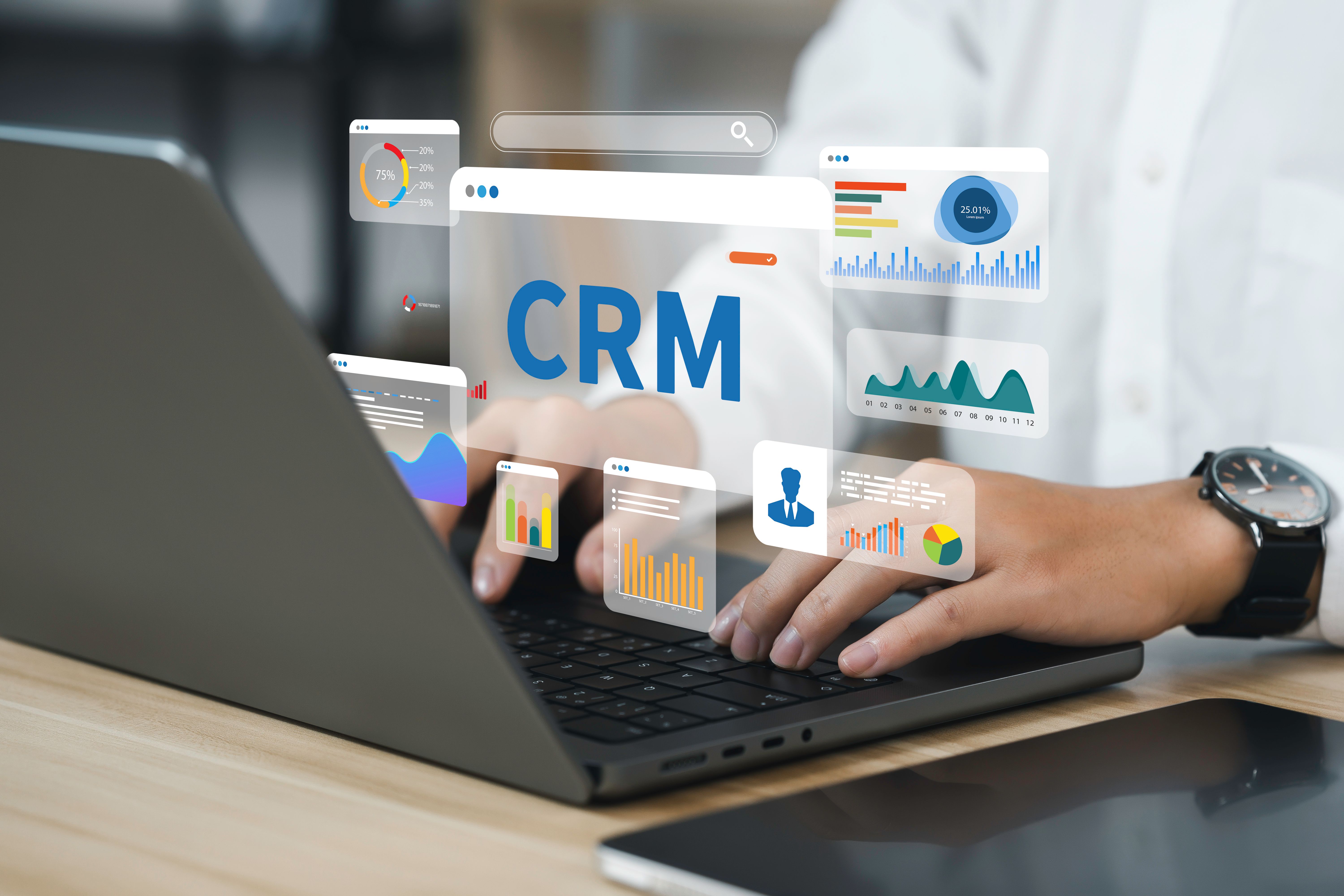
- CRM Software: A robust Customer Relationship Management system to track customer interactions and data.
- Automation Tools: Streamlining repetitive tasks for increased efficiency.
- Data Analytics: Leveraging data to make informed decisions and forecasts.
- The Right People: Well trained team members.
- The Right Motivation: Well designed career path, compensation and balance.
These components work together to create a synchronized approach that enhances productivity and improves customer experience.
Advantages of a Revenue Engine
Building a revenue engine offers several advantages over relying solely on sales hires:
- Consistency: A sales system ensures consistent execution of strategies.
- Scalability: Easily scalable without the need for proportional increases in workforce.
- Data-Driven: Decisions are based on comprehensive data, leading to better outcomes.
This approach allows businesses to predict performance more accurately and adjust strategies proactively.
Implementing a Revenue Engine
Transitioning to a revenue engine requires careful planning and execution. Start by assessing your current sales processes and identifying areas for improvement. Invest in the right technology and train your team to utilize these tools effectively.
It's important to set clear goals and metrics to measure success. Continuously monitor performance and make adjustments as needed to ensure your revenue engine is operating at its full potential.

The Future of Sales
The future of sales lies in the integration of technology and human expertise. While sales professionals will always play a crucial role, a revenue engine amplifies their efforts, allowing them to focus on building relationships and closing deals.
By prioritizing the development of a comprehensive sales system, businesses can achieve sustainable growth and remain competitive in an ever-evolving market. Embracing this approach not only enhances efficiency but also future-proofs your organization against unforeseen challenges.